Frame Study of Charlie Chaplin's "Modern Times" and "The Great Dictator"
Hello Readers!
We are studying Twentieth Century Literature as a part of our syllabus.And as we all know that this literature had a larger impact of industrialization and World War I and II.We always says that "Literature is X-ray image of society."In modern times we find lots of images of that particular times in various movies.This can be observed in this both movies.So this blog is a part of our thinking activity on study of frames in Charlie Chaplin's "Modern Times" & "The Great Dictator" given by our Prof.Dr.Dilip Barad sir.
💠Charlie Chaplin
Sir Charles Spencer Chaplin popularly known as Charlie Chaplin was a British comedian, writer, and composer who is well remembered for his Tramp character. He was very famous for his silent film. He made the world laugh without speaking a single word. To know more about Charlie Chaplin click here .
💠Frames from "Modern Times"
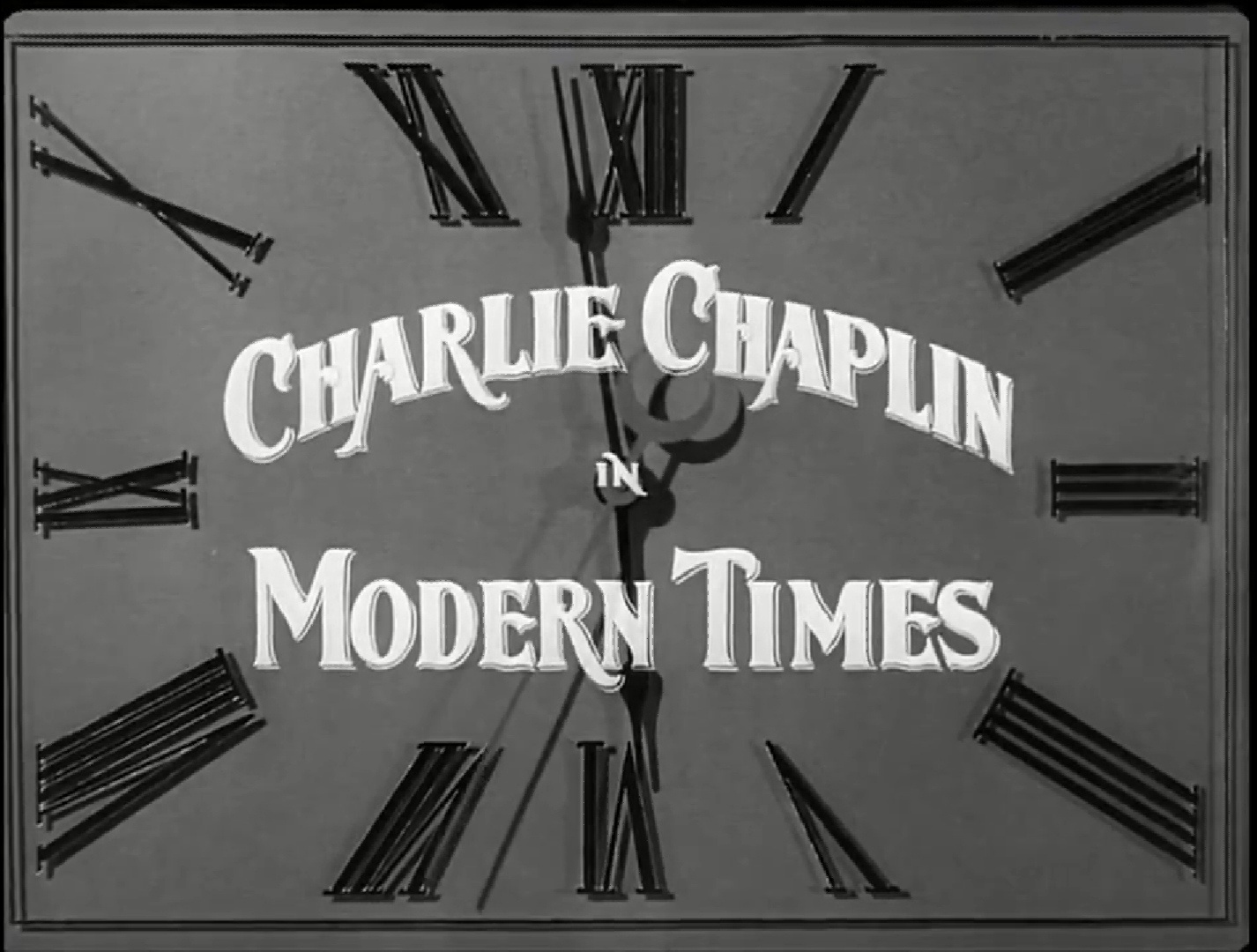
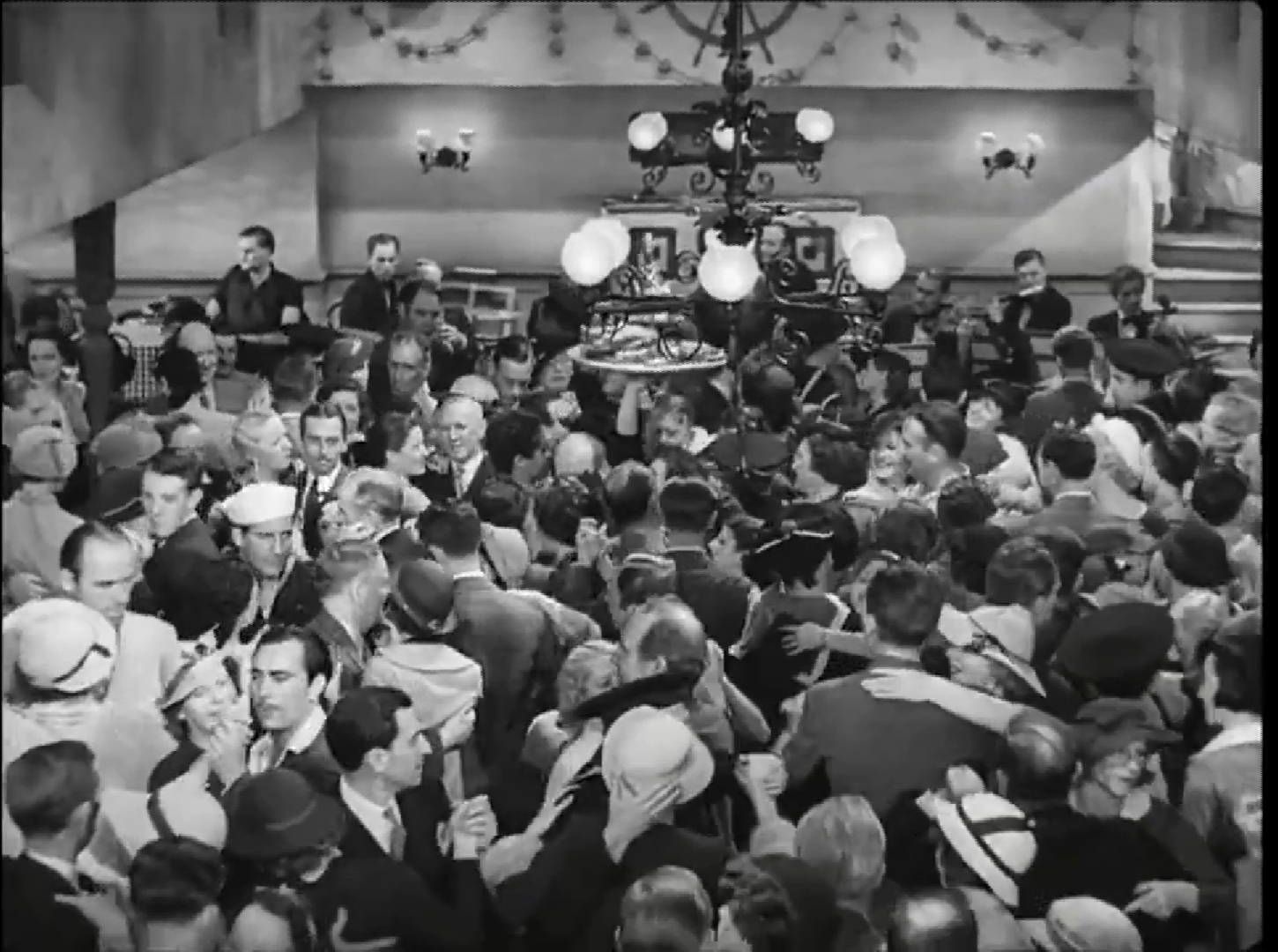
The film is directed and acted by a polymath, Charlie Chaplin in 1936.The title of this film itself suggests the modern times. The time was changing. It suggest the industrial revolution and after that machines took place of man and people started working like machines.
We can see this frame in two different angle. First is that time is moving as clock is moving. The secondly it shows time of employees till 6 A.M. to 6 P.M. In modern times employees works very hard till early morning to late evening.
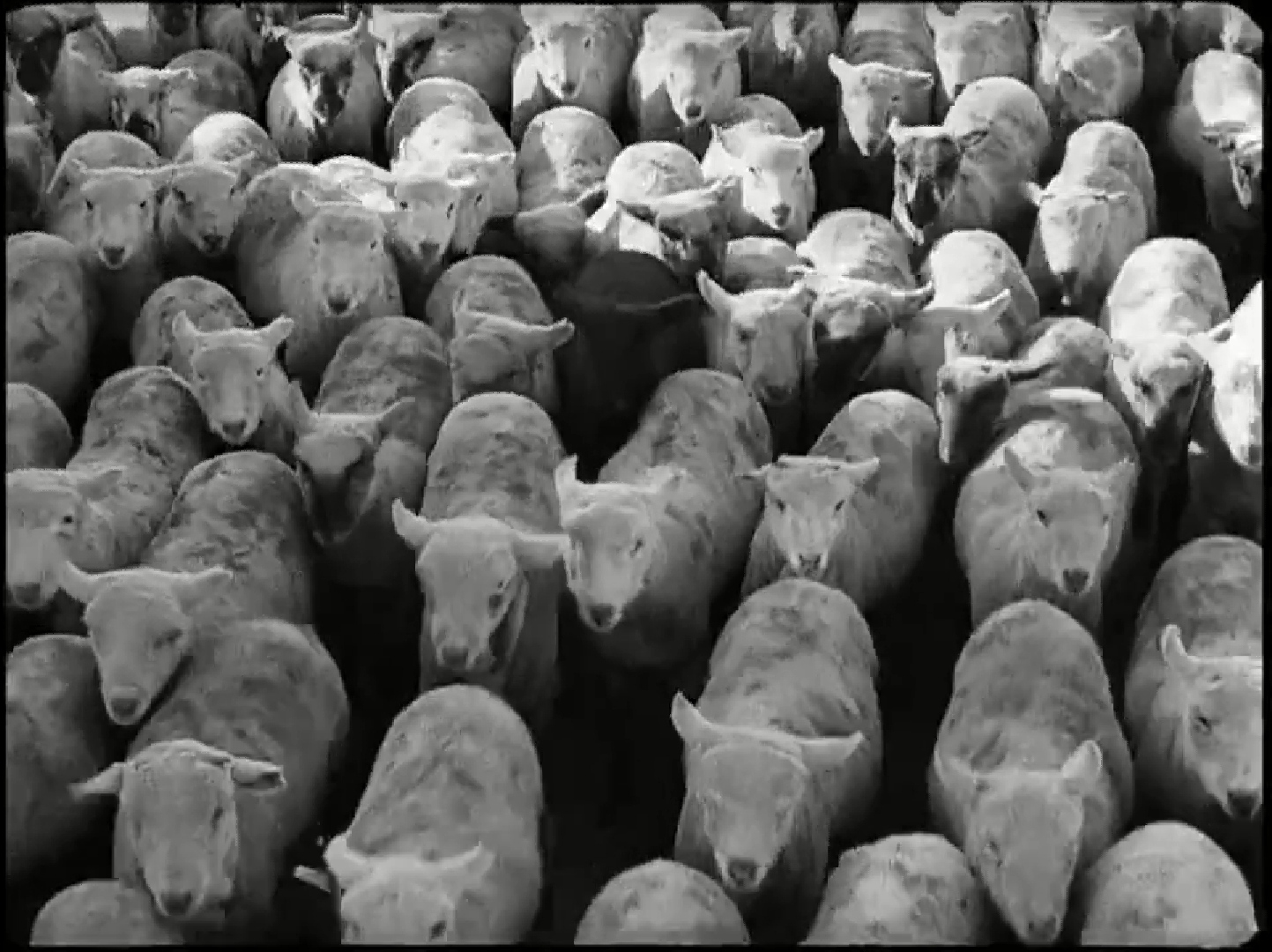
Sheep+ People=Sheeple
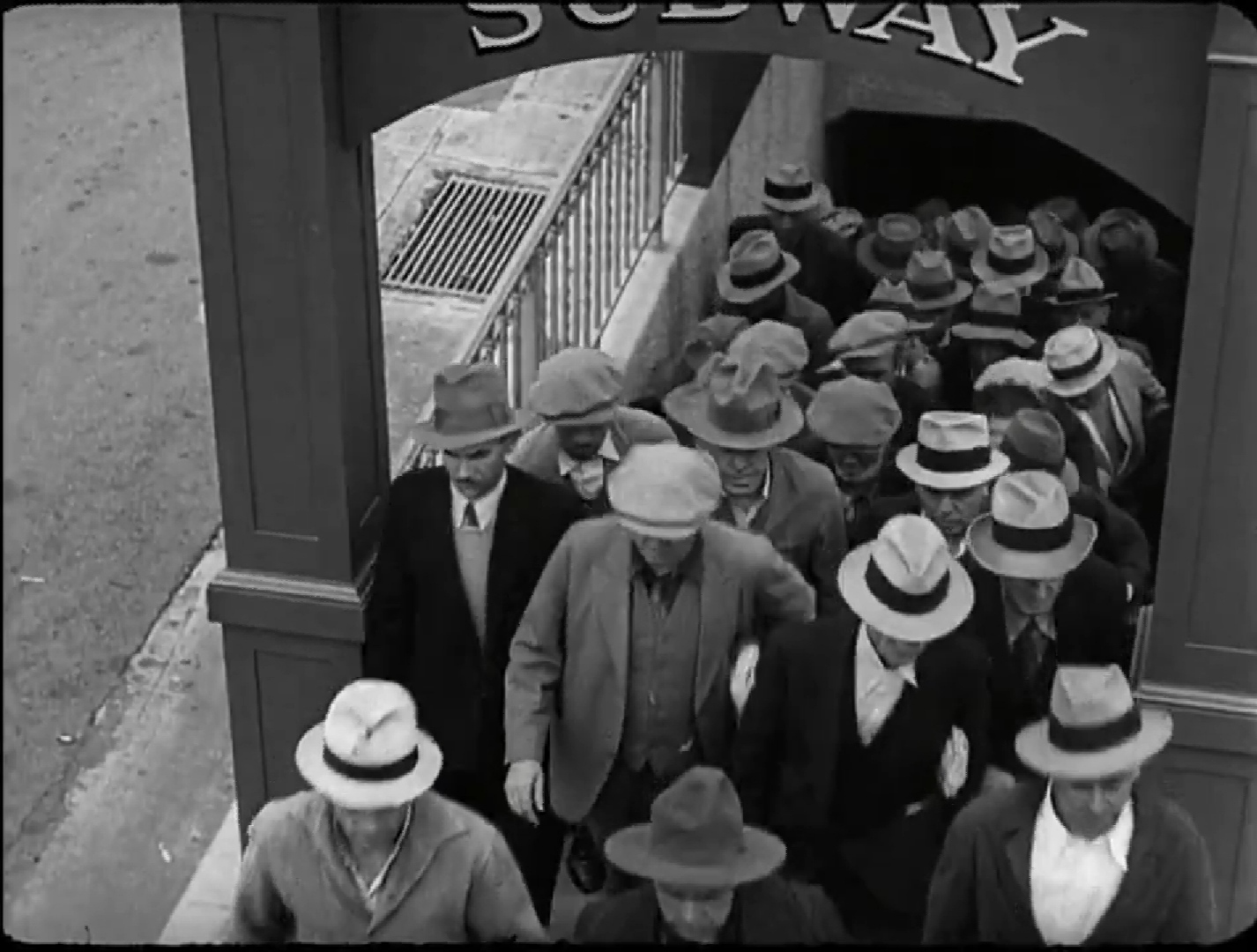
Through this frame we say that due to unemployment,many people were roaming like sheep.As we know that sheep haas no direction they also roaming without any direction.This is novel idea of Chaplin says nog to follow crowd,follow your own way.
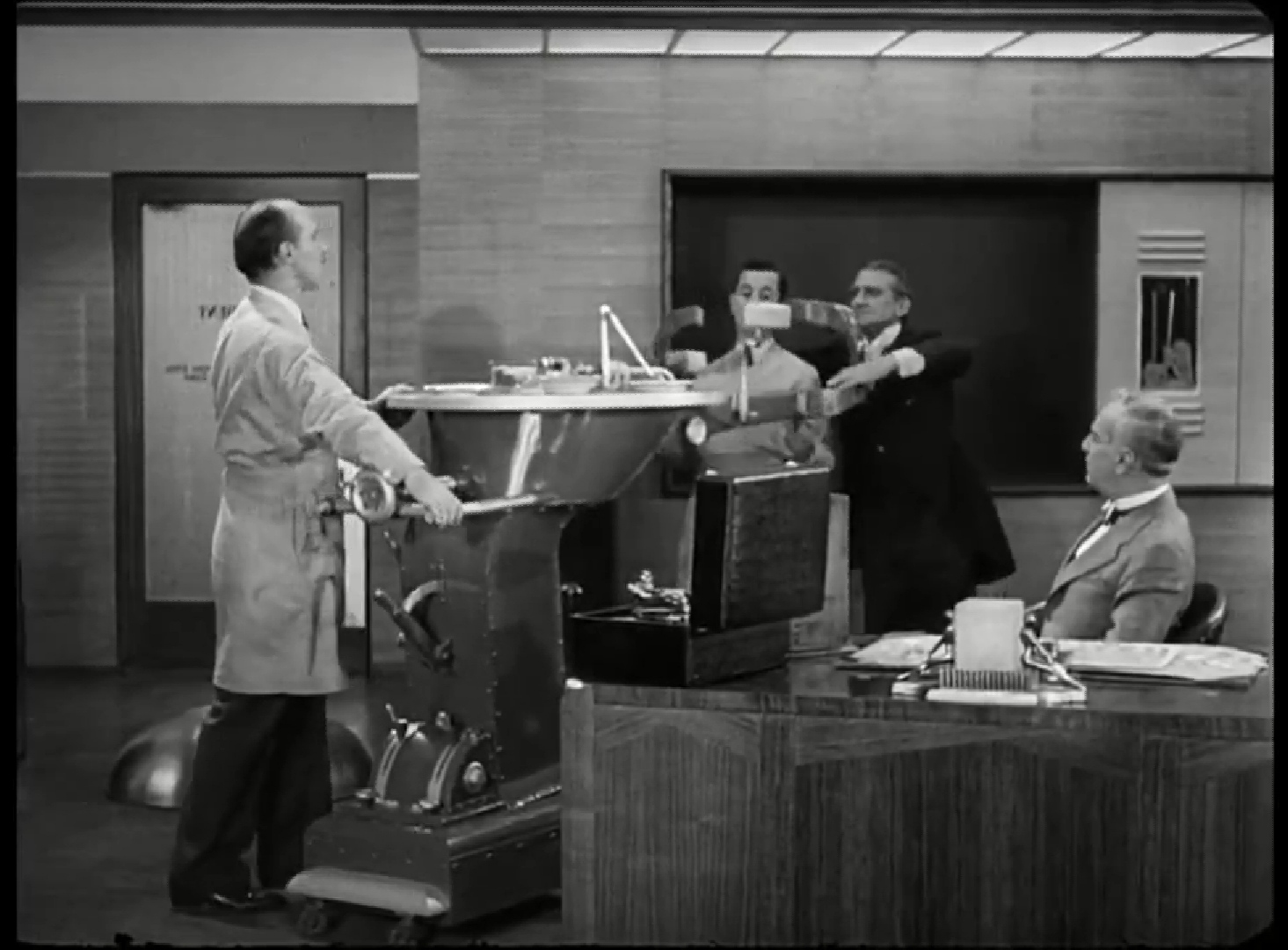
In this frame we can see that the factory owner playing puzzel game.so it symbolizes the game played with his employees.We can say that he also playing this kind of puzzel with his workers.
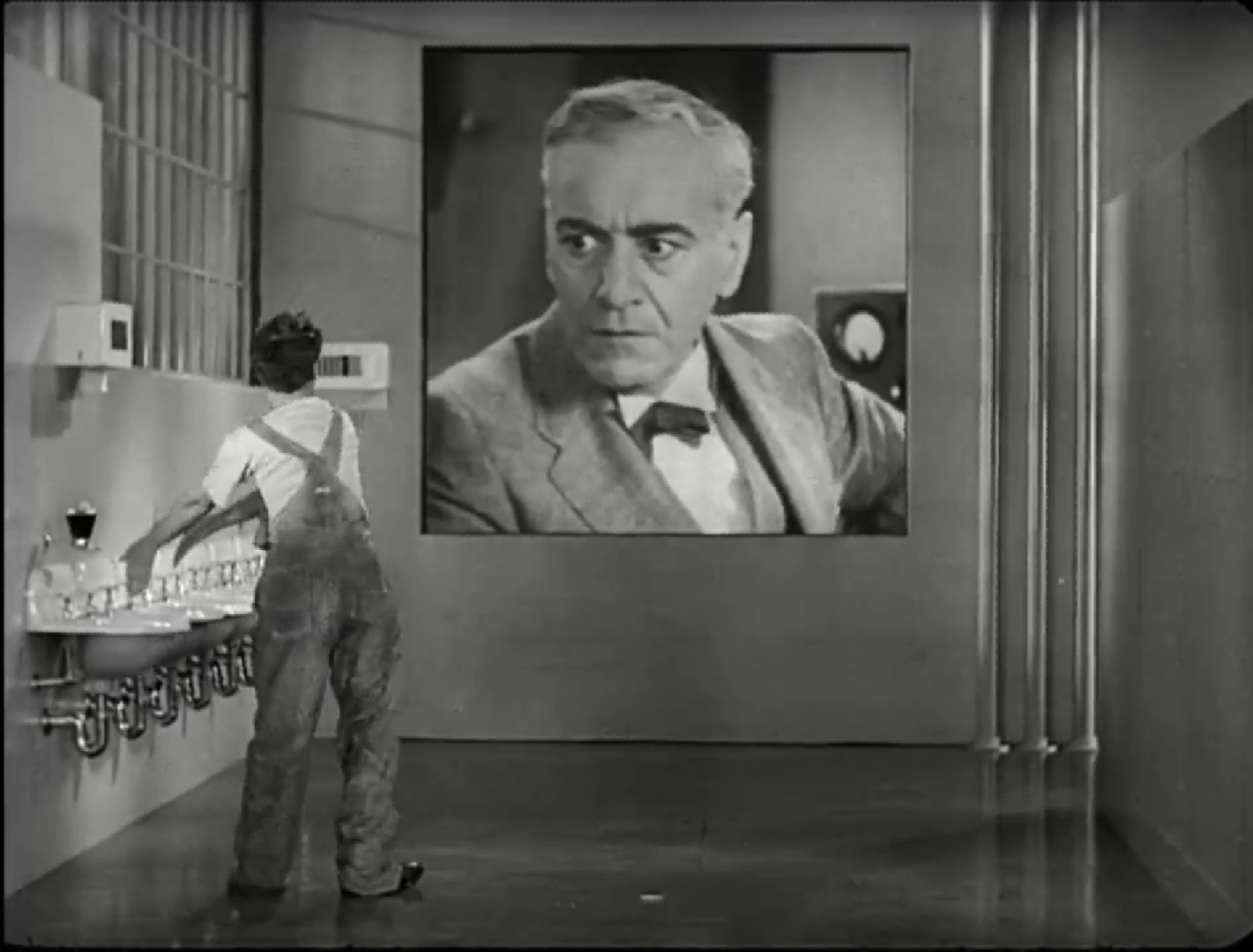
In this frame the owner is monitoring his workers.In second frame Charlie ,one of his employee is 8n washroom,but even though his boss is keeping eyes in his employees.so humans are the slaves of the industrial,they are slaves of the machines and the technology.Worker's liberty is ceased by the cameras.(masters).we can say that poor people doesn't get liberty to live their life in their own way.
It shows the rise of advertisement in modern times.People of modern times easily get affected by advertisement.
The practice of this machine is being continued but the protagonist is fixed at the place to have the soup.Instead of serving you this soup through his mouth ,it is poured on Chplin's T-shirt and body.and we can see that the wiper is wiping his mouth instead of T-shirt.
This image shows how workers suffers from this kind of industrialization.But still they have to work hard to earn their livelihood.Here human is depicted as part of machines.He is like robot.
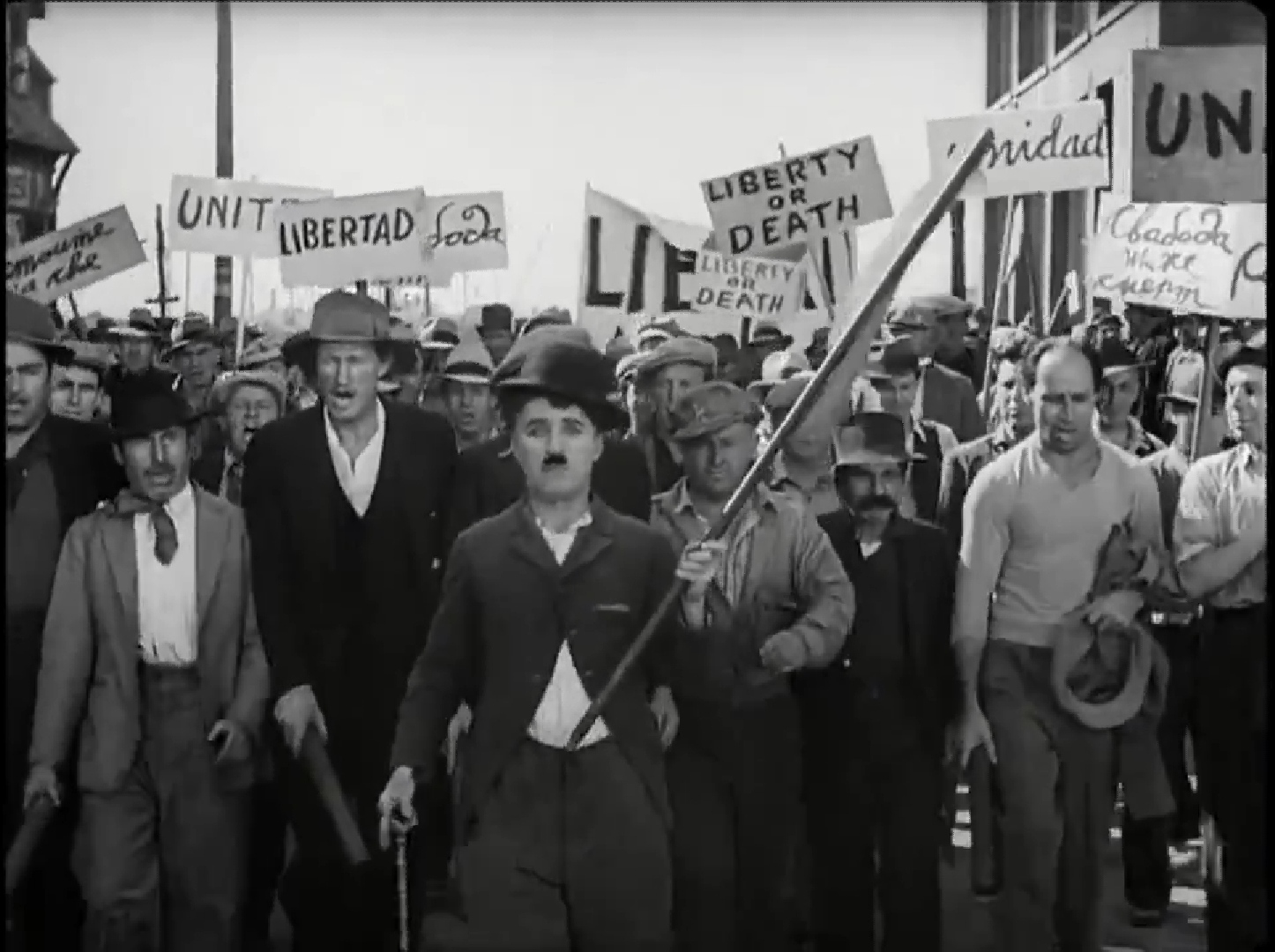
In this frame we can find that this is about protest by working class people to get liberty.B because of industrial revolution machines took place of humans and humans become unemployed. So they fight for employment ,for liberty, self respect and all this things.
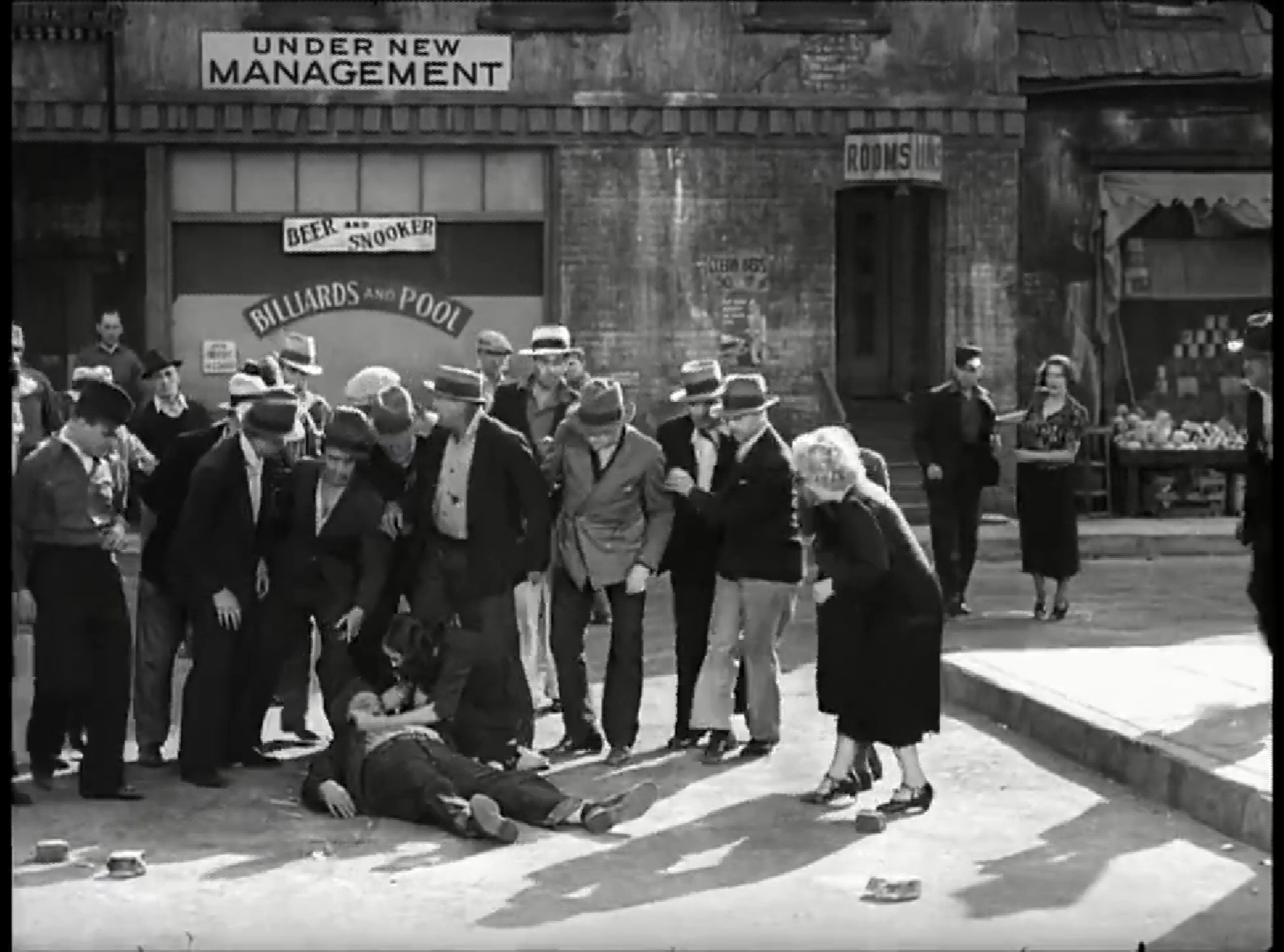
Because of unemployment many workers committed suicide. They didn't earn their livelihood.
Dream V/S Reality
In this frame we can see Charlie(waiter) is trapped between dancer.It symbolizes that poor people always suppressed by rich people and here we can see the idea of colonization.
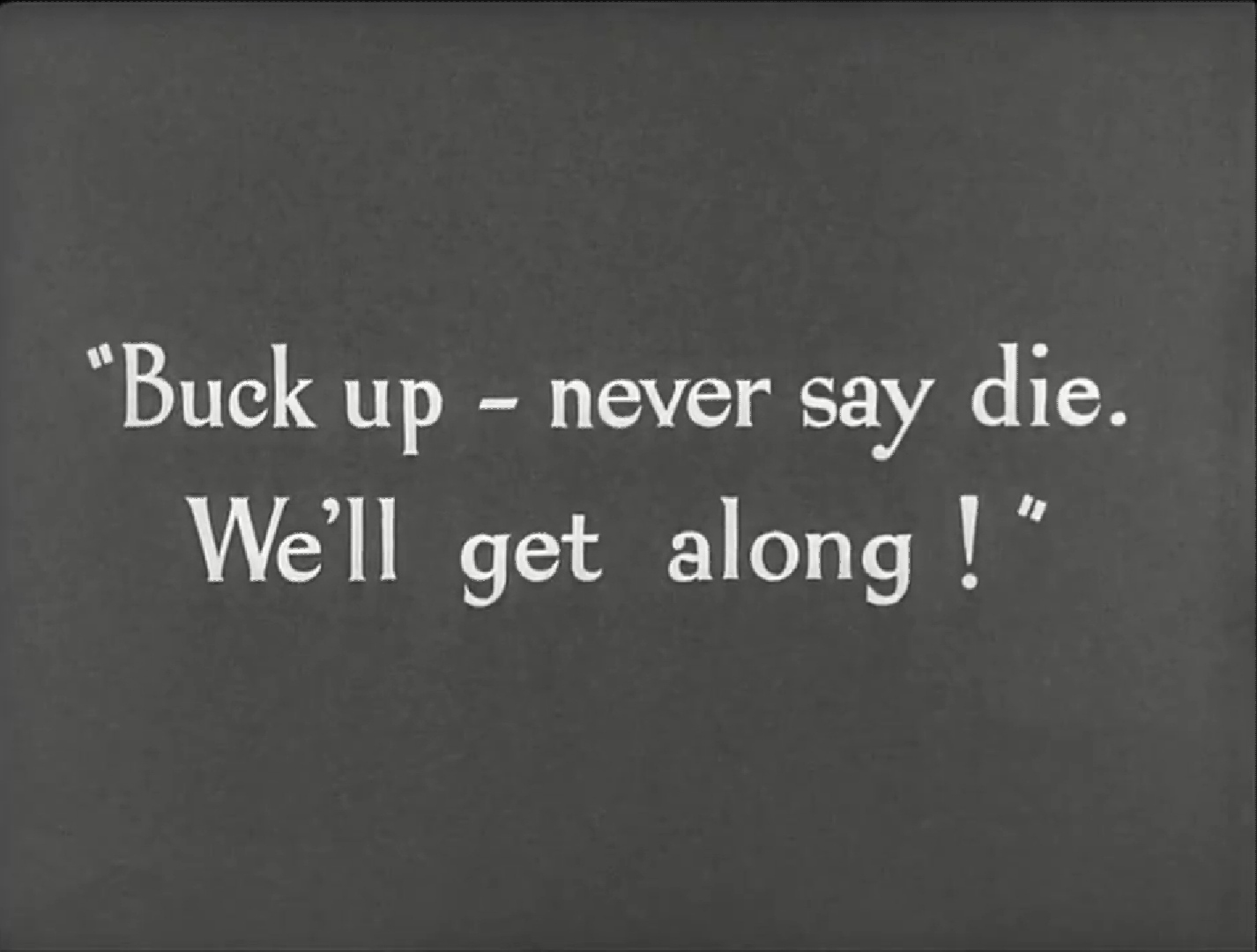
The ending of this film is very significant.Gamin and tramp both are seen walking in the empty road and the mountain symbolizes that they will have to do hard work to climing that mountain ,to get better and happy life they have to do very hard work.
In this blog i would like to throw some light on Dystopian literature.
👉What is Dystopian Fiction?
If we think about Dystopian Literature it explores the darkest facets of the human mind and human nature. According to the Oxford English Dictionary, a dystopia is
"An imaginary place or condition in which everything is as bad as possible."
The easiest way to think about Dystopian Literature and dystopias is to consider that a dystopia is often the result of a society's arranging its government and laws around good qualities for a perfect society, such as order, equality, and obedience, and taking those qualities to the absolute extreme. Dystopian Literature, while fiction, can also spookily echo our own past, present, and future. Dystopian Literature is one of the best genres to understand man's inhumanity to his fellow men.
Dystopian fiction worlds — whether in novels, films, comic books/graphic novels, or video games — tend to contain many of the same narrative features. Common elements of dystopian fiction include societies engaged in forever wars, and characterized by extreme social and economic class divides, mass poverty, environmental devastation, anarchy, and loss of individuality.
👉History of dystopian fiction
The history of dystopian literature can be traced back to reaction to the French Revolution of 1789, and the prospect that mob rule would produce dictatorship. Until the late 20th century it was usually anti-collectivist. Dystopian fiction emerged as a response to utopian fiction.
The beginning of technological dystopian fiction can be traced back to E.M. Forster's "TheMachine Stops". Forster is widely accepted as a 'pioneer of dystopian literature.' M Keith Booker states that "The Machine Stops", We and Brave New Worldare "the great defining texts of the genre of dystopian fiction, both in vividness of their engagement with real-world social and political issues, and in the scope of their critique of the societies on which they focus."
Another important figure in dystopian literature is H.G. Wells, whose workThe Time Machine is also widely seen as a prototype of dystopian literature.Post World War II, even more dystopian fiction was produced. These works of fiction were interwoven with political commentary: the end of World War II brought about fears of an impending Third World War and a consequent apocalypse.
Modern dystopian fiction draws not only on topics such as totalitarian governments and anarchism, but also pollution, global warming, climate change, health, the economy and technology. Modern dystopian themes are common in the young adult genre of literature.
👉Characteristic of Dystopian Literature:
The central themes of dystopian novels generally fall under these topics:
1.Government Control:
Government plays a big role in dystopian literature. Generally, there is either no government or an oppressive ruling body.
Examples:
In George Orwell’s 1984, the world is under complete government control. The fictional dictator Big Brother enforces omnipresent surveillance over the people living in the three inter-continental superstates remaining after a world war.
Always Coming Home by Ursula K. Le Guin is a 1985 science-fiction novel that follows the Kesh community of people in a post-apocalyptic world. The Kesh repudiate a government system and are self-organized.
The Hunger Games, a young adult trilogy by Suzanne Collins beginning in 2008, takes place in the fictional world Panem, a future nation on the ruins of North America. Panem’s totalitarian government called The Capitol holds most of the country’s wealth and controls the citizens. Each year, children from Panem’s 12 districts are selected to participate in a televised death match called the Hunger Games.
2.Technological Control:
Examples:
Advanced science and technology in dystopian works go beyond tools for improving everyday life—technology is often depicted as a controlling, omnipresent force and is often used as a fear-mongering tactic.
Examples:
Brave New World by Aldous Huxley, written in 1932, explores the danger of technology. The ruling World State uses powerful conditioning technologies to control reproduction and citizens’ actions.
Do Androids Dream of Electric Sheep? by Philip K. Dick takes place in a post-apocalyptic San Francisco after a nuclear global war in 1992. This 1968 novel was the basis for the film The Blade Runner and explores the dangers of advanced technology. There are android robots indistinguishable from humans, and mass extinction has led to artificial animals.
Feed by M.T. Anderson is a young adult dystopian novel written in 2002 about a near-future America controlled by Feednet, a computer network that is implanted into the brains of 73% of American citizens.
3.Environment Disaster:
Dystopian novels are often set in places that are inhabitable, have been destroyed, or are preparing for destruction.
Examples:
The Road by Cormac McCarthy, written in 2006, is a post-apocalyptic story about a father and son venturing across the ruins of America after an extinction event.
The Maze Runner is a series by James Dashner chronicling the events of how the dystopian world had been destroyed by massive solar flares and coronal mass ejection. In the first book of the series, a group of teenage boys are stuck in an imaginary place called The Glade and have to find their way of out its ever-changing maze.
4.Survival:
The oppressive powers and destruction in dystopian worlds often leave the inhabitants to fend for themselves.
Examples:
The Running Man was written by Stephen King and first published under the pseudonym Richard Bachman in 1982. Taking place in 2025, the novel is about an impoverished man living under an oppressive government who competes on a life-threatening game show in order to earn money to care for his family.
Lord of the Flies by William Golding, written in 1954, is about a group of schoolboys who are abandoned on a tropical island after their plane is shot down during a fictional atomic war. Conflicts emerge between the boys as they struggle to build a civilization and fight for survival.
The City of Ember by Jeanne DuPrau is set in an underground world called Ember. The isolated city was constructed to thwart an impending disaster and follows a group of teenagers working to find their way out.
5.Loss of Individualism:
How should the needs of society as a whole compare to individual needs? Many dystopian futures depict the dangers of conformity.
Examples:
Fahrenheit 451 by Ray Bradbury, written in 1953, follows a fireman whose job is to burn books. Because of the censorship of books, this future society has increased interest in technology and entertainment—and an inability to think freely and creatively.
The Giver by Lois Lowry is a 1993 young adult novel about a society that has no pain because the community has all been converted to “Sameness.” The story follows a 12-year-old boy who is selected to be the society’s Receiver of Memory and will store the memories of the community before “Sameness” was enacted.
We by Yevgeny Zamyatin, written in 1920, follows a spacecraft engineer living in the future nation called One State. The citizens of One State wear uniforms and are referred to by number.
Utopia is when the community or society is perfect or ideal, dystopia is when the condition of that place is extremely bad or unpleasant.
Utopia presents the "prime directive", so to speak, of a message of hope and occasionally, overwhelming so.
Utopia usually has a sort of Council or more of a communal society, where decisions are made based on the "greater good."
Dystopia usually presents a story told out of despair. Dystopia normally has an overwhelming message of warning.
Dystopia, more often than, makes use of "big government" and military, using tactics of intimidation and sometimes mind control.
Utopian societies are generally based on the so-called equality of all humankind. Meanwhile, dystopia presents societies based on segregation, inequality, and oppression.
Utopia is often grouped together with dystopia and, in some cases, the terms have seemingly become interchangeable. Generally speaking, most utopic books can be considered dystopia, but dystopia books cannot all be considered utopic.
Dr.Vinod Joshi ,Gujarati poet and critic was invited to deliver a week long talk session; starting from 24th March to 2nd April , at the department of English M. K. Bhavnagar University.
Actually, I want to say that our Department is a hub of Guest Lecture.Yes, I know that Every Department as their necessity organized guest lectures but I want to say that Department of English - Maharaja Krishnakumarsinhji Bhavnagar University is Exceptional. We are going to attend a series of lectures by well known Scholars and different faculties. So here I am going to share a brief experience of lectures delivered by Poet Vinod Joshi on #IndianPoetics.We were attending lecture physically at department but suddenly the cases increasing so we had started attending lecture online from home.In this session he had discuss about the six school of Indian Poetic like #rasa,#dhvani,#alankara,#vakrokti,#riti and #auchitya .
Indian Poetic theory is very old and the most interesting literary as well as philosophical and cultural discussion of Indian or better to say Sanskrit Literature. Sanskrit is regarded as ‘Dev-Vani’ (the language of gods), not all folk can possess the ability to understand and read Sanskrit literature. Earlier, great Sanskrit scholars had expertise in describing things that are usually hard to observe in nature. The prosperous tradition of Indian aesthetics is said to have begun from Bharat Muni in and around 1st century.
From Childhood we Know something. Very basic examples like things around us. We also have some foundational knowledge about that particular things. In our mind we have opinion for everything. Everyone had different and new opinion for things. Knowledge is at the center and it came from Circulation,Imagination Interaction,Co-operation.
So when we don't accept things as it is then starts Criticism and Criticism is the part of our day to day life. Same way when any Work of Art came to us is only text But what expand it is called Literary Criticism.
"कवि: करोति काव्यानि
रसं जानाति पंडित:"
Joshi sir said that there is one major difference between Indian Poetics and Western theory of criticism and that is...
"Western Criticism deals with the influence of the work of art and it's Ultimate Aim. While Indian Criticism deals with the process of work of art. In the world Criticism Indian Criticism is Unique."
As there is ‘Western Criticism’ and can be called ‘Poetics’ as a proper canon, similarly, in Sanskrit there is a particular canon of Sanskrit Criticism which is usually bannered as ‘Kavya Mimamsa’ and which acts like an umbrella for various schools developed by scholarly thinkers. The various schools or theories in Indian Aestheics are-
Bharata is the first among all critics who pioneered in Indian aesthetics. Some of the noteworthy critics of Sanskrit literature are-
⏹The Six Schools and the pioneers–
Rasa - Bharat
Alamkara - Bhamaha
Riti - Vamana
Dhvani - Anandvardhan
Vakrokti - Kuntaka
Auchitya - Kemendra
(1)School of Rasa
Vinod Joshi sir discussed about the most prominent pioneer of Indian Poetics- Bharat Muni and his NatyaShastraand its sixth chapter called Rasa.Sir discussed with us in detail about the literal meaning of Rasa and Bhav .Rasa is present in every work of literature.
What is RASA?
“A blending of various Bhavas arise certain emotion, accomplice by thrill and a sense of joy is Rasa.” In the sixth chapter of Natyashashtra he explains NATYARASA and RASA as the soul of poetry.
विभावानुभावव्याभिचारी संयोगात रसनिष्पत्ति ।
He has mentioned nine Rasas in Natysastra with its colour and god.The nine prominent Rasas originate from their respective Sthaýibhav.
Sthaýibhav
Rasa
રતિ
શૃંગાર રસ
શોક
કરુણ રસ
ઉત્સાહ
વિર રસ
ક્રોધ
રૌદ્ર રસ
હાસ
હાસ્ય રસ
ભય
ભયાનક રસ
જુગુપ્સા
બિભત્સ રસ
વિસ્મય
અદ્ભુત રસ
શમ/ નિર્વેદ
શાંત રસ
श्रृंगारकरूणवीररौद्रहास्यभयानका।
बीभत्साद्भूतशांतश्च नवनाट्येरसास्मृता।।
- भरतः नाट्यशास्त्र
- छंद अनुष्टुप
Furthermore, Sir emphasized on the viewpoints of four Commentators
Four Critics of RASA theory
Bhatta Lollata
Creationism
Shree Shankuka
Permissiveism
Bhatta Nayaka
Nepotism
Abhinavagupta
Expressionism
Worthy to note that RASA comes out only because of these four BHAVAS Vibhav, Anubhav, Sancharibhav, Sthayibhav.We can say that Natysastra is foundation of fine arts in India.
Sir gave an example of T.S.Eliot’s Murder in the Cathedrel, Film Mughal-E-Azam and Kalidasa’s Abhigyanshakuntalam and Malti madhav.
(2)School of Dhvani :
Then he discussed about School of Dhvani.Dhvani means The suggestive quality of poetic language. Another regards to this sense of poetry next school of thinkers, known as SCHOOL OF DVANI headed by Anandvardhan. He points that it is not the literal, simple or direct and referential meaning that poetry properly expresses, but it suggests indirect and emotive meaning. Hence, through the words of a poem must be given their due importance and the same with regard to the literal sense the denote, yet both the words and their direct meaning to express itself. The theory proposed in Dhvnyaloka by Anabdvardhana is known as the name of “Dhvani”. ‘Dhvnyaloka’ is itself a huge compendium of poetry and poetics.
👉ચકલીની ચાંચમાંથી સુરજ નીકળ્યો-સવાર પડી.
👉ઓઢું તો ઓઢું તારી ચૂંદડી.
👉 બાપે પેટે પાટા બાંધીને દીકરાને ભણાવ્યો.
Furthermore, Sir provided an excellent discussion on three echoes of words-
For example:
◾️અંધારું થયું અને અજવાળું ગયું-અભિધા
◾️મારું ઘર હાઈ કોર્ટ રોડ પર છે.-લક્ષણા
◾️સૂર્યાસ્ત થયો તેને જીવનમાં દુઃખ આવી ગયું અથવા મૃત્યુ થયું તેમ જોઈ શકાય-વ્યંજના
◾️You too brutus!
◼️એક બિલાડી જાડી - અભિધા
◼️તેણે પહેરી સાડી - લક્ષણા
◼️તળાવમાં તો મગર - વ્યંજના
Sir very precisely explained all the three #shabd_shakti and their components with detailed descriptions and interestingly live examples from surroundings.
Moreover, Sir emphasized that how #sphota is suggested in the form of words in a work of art.
शब्दार्थों सहितो काव्यम।
Vinod Sir explained with varied verses from Gujarati Literature. Anandvardhan has described the importance of Dhvani in his most resourceful work ‘Dhvaniyaloka’. Acharya Kuntaka describes ‘Dhvani’ as the major element of Literature. He described different types of Dhvani and he also believes that ‘Dhvani is the soul of Literature’ when he says –
ध्वनि: काव्यस्य आत्मा।
According to him, the types of Dhvani is
(3) School of Vakrokti
Sir discussed the theory of Vakrokti and its significance in Literature. It has much more resemblance to stylistics. Vakrokti is the theory of Language and the formation of words. It is the formation of two words-
‘Vakra’ + ‘Ukti’ = “Vakrokti’
"वेदग्ध्यभंगीभणिती इति वक्रोक्ती।"
Kuntaka is known as the orinator of this Sanskrit literary theory. Vakrokti is a theory of poetry which perceiveives poetry essentially in terms of the language of its expressions. Here Vakrokti turns into beauty.
There is an example of the famous play " Mudrarakshasa " by " Vishakhadatta " discussed a very sharply Vakrokti speech by Shiva , when one day in the morning he comes a home with Ganga on his head to the utter concentration of Parvati. He is caught on the wrong foot by the jealousy. As a wife Parvati asks him questions and Shiva gives replies very meaningfully.
Parvati :- Who is this blesses damsel on your crest ?
Shiva :- Shashikala ( Crescent of moon or lady's name )
Parvati :- Ohh !!!!! is that the name of the lady ???
Shiva :- surely !!! How is it you have forgotten her name?
Parvati :- My query is about the lady and not the moon.
Shiva :- Let then Vijaya , the lady in attendence reply and not the moon.
Six types of Vakrokti:
.
(4)School of Alamkara
Bhamaha is considered as a founder of this school. Udbhatta, Dandi, Rudrata, Jayadeva all these are the followers of this school. This school believes that there is rasa(emotion), riti ( a special style of writing) in the kavya (poetry) but the alamkara is dominating feature of it.
When the alamkara is depends on the word it means if we change the word it does not appear then it becomes shabd-alamkara and when it depends on the meaning it is called as arth-alamkara. Generally we are also very well known about idea of Amkara theory and sometime suddenly identify to Alamakar and which were used to in contrast.
Examples:
💠દમયંતિનુ મુખ ચંદ્ર જેવું છે.
💠T.S.Eliot's 'The waste Land'
There are rocks and rocks and no water any where.
💠Robert Frost's 'Miles to Go'.
(5) School of Riti
Acharya Vamana had given importance to Riti in his work “Ritivichar”
'रीतिरात्मा काव्यस्य ; विशिष्टापदरचना रीति: |'
While discussing this theory, Sir referred to Shakespeare's drama and his own . Sir also explained in detail on four major Styles of Writing-
🔷Vaidarbhi
🔷Pancali
🔷Gaudiya
🔷Lati
(6)School of Auchitya
Kshemendra’s discussions of the principle of Aucitya is from the point of view of both the writer and the reader and is articulated in its given cultural and philosophical context. Kshemendra made aucitya spine elements of literarinmess. He defines aucitya as the property of an expression being an exact and appropriate analogue of the expressed.
Sir also discussed that We can see this aucitya with the connection of The Old man and the Sea by Ernest Hemingway and Myth of Sysiphus by Albert Camus.
I would like to say that the whole session was very fruitful and students were very contented to gain the knowledge from the distinguished poet Dr. Vinod Joshi. Special thanks to our head of the department, Dr. Dilip Barad for organizing such a great session.
Here i am sharing the video recordings of all the lectures .